
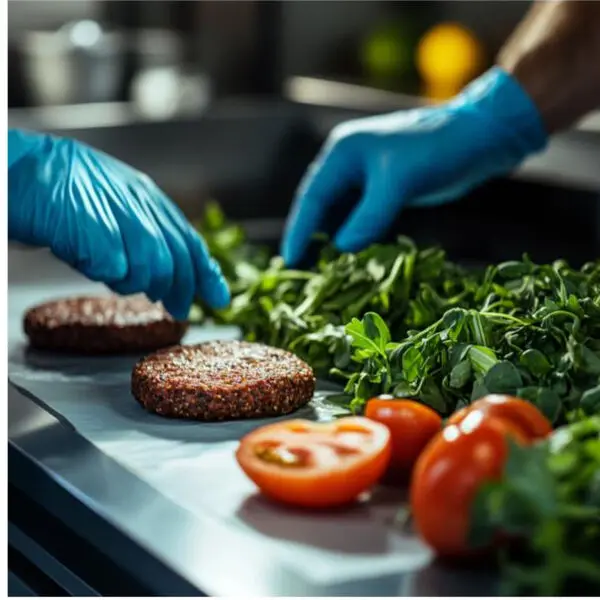
Plant-Based Meat Alternatives
Plant-based meat alternatives have rapidly moved from niche products to mainstream staples across supermarkets, restaurants, and food delivery services. However, as these innovative products grow in popularity, it’s crucial for food businesses to understand and manage the unique food safety risks associated with them.Understanding the RisksRecent guidance from the Food Standards Agency (FSA) highlights specific challenges with plant-based meat substitutes, including:Cross-contamination risks: Particularly where products mimic raw meat, businesses might inadvertently cross-contaminate surfaces and equipment.
Allergen risks: Many plant-based products contain allergens like soy, wheat, or nuts. Clear labelling and thorough allergen management practices are essential.
Microbial contamination: Although plant-based, these products can still harbour pathogens if improperly handled or inadequately cooked.
Current Regulatory Focus – The FSA has emphasised that existing food safety laws fully apply to these products, including HACCP (Hazard Analysis Critical Control Points) requirements. Businesses must clearly identify critical control points and adhere strictly to hygiene regulations.Practical Steps for Food BusinessesHere are clear steps to ensure your business remains compliant and safe:✅ Staff Training: Educate your staff about plant-based products, especially differentiating between handling practices for raw versus ready-to-eat alternatives.
✅ Clear Labelling: Clearly mark allergenic ingredients and any cooking or storage instructions.
✅ Separate Equipment: Use dedicated preparation areas and utensils to prevent cross-contamination.
✅ Cooking Protocols: Ensure products are cooked according to manufacturers’ guidelines, verifying internal temperatures where required.
Staying AheadPlant-based foods represent significant market potential, but only if businesses navigate their safety obligations carefully. By proactively addressing these risks, you can confidently meet consumer demand, minimise risk, and maintain a high standard of food safety.For guidance specific to your operations or assistance with food safety compliance, contact our expert team today at Food Safety Consulting Ltd.Author: Zak Boyd. FSCL.